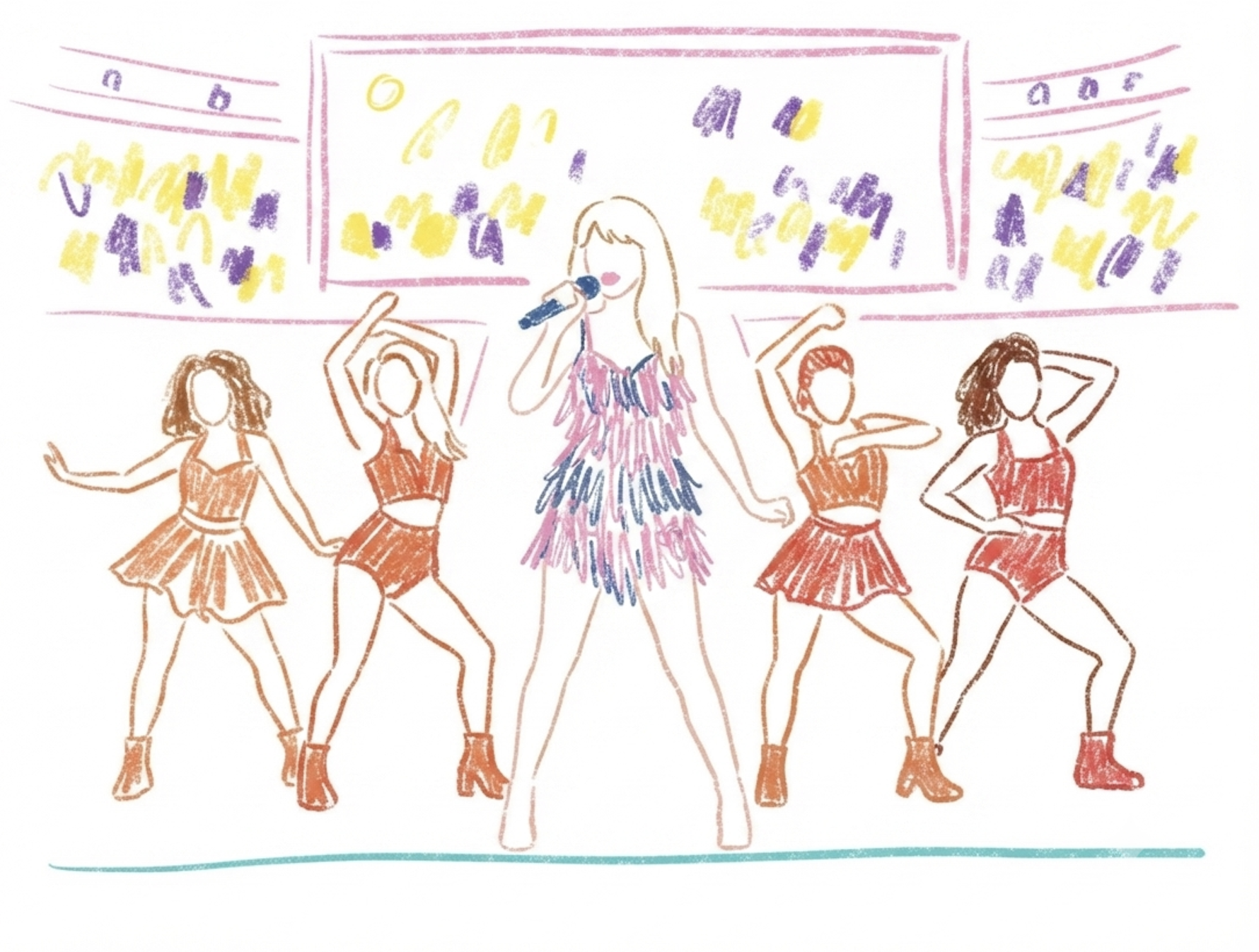
In the opening episode of The Eras Tour documentary series, Taylor Swift gathers her band and dancers before the show. Amid the sequins and stadium sound checks, she says: "Every single person in this circle was told at some point that they couldn't make a living doing this. That it was a pipe dream. But you're here because of your hard work, not just luck."
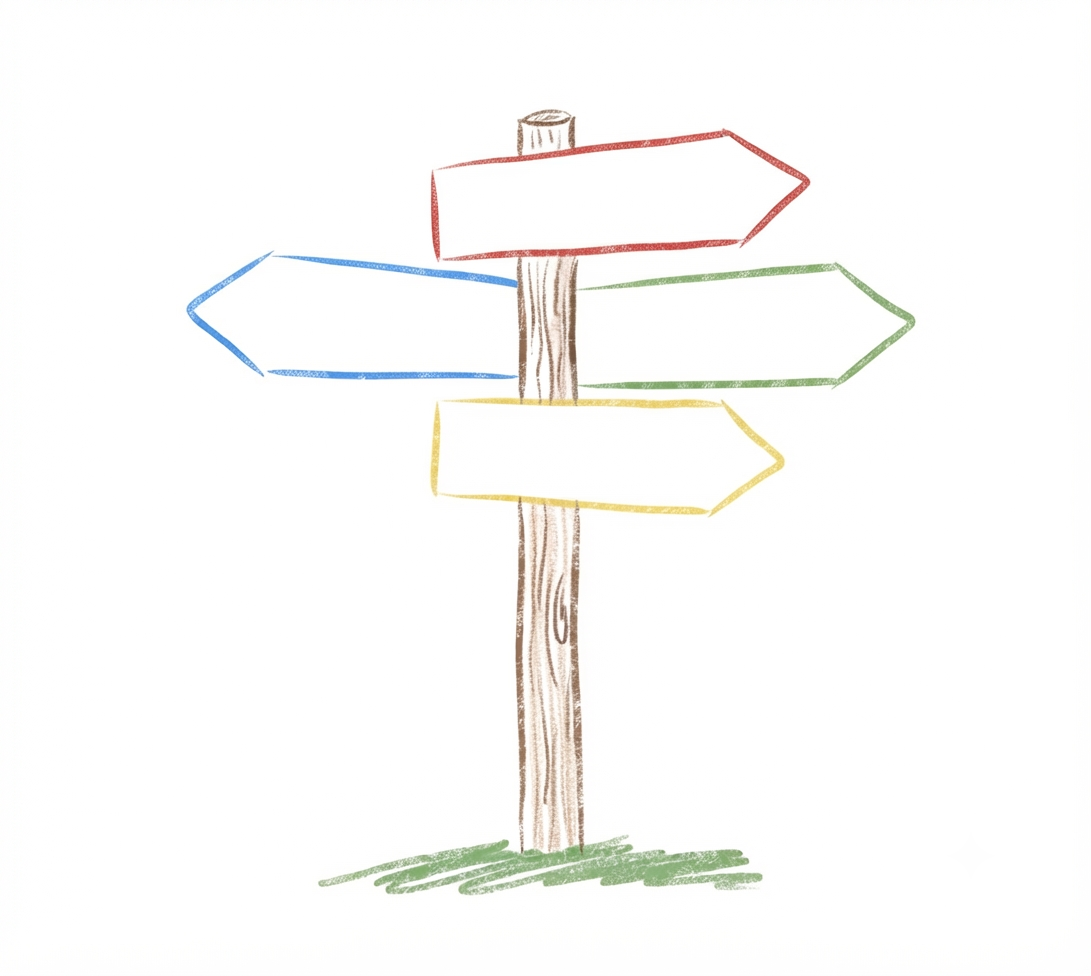
That word — pipe dream — is worth sitting with. Somewhere along the way, most of us absorbed a quiet ranking of careers: some paths counted as safe, others as risky, and dancing (or writing, or painting, or anything without a clear ladder) landed in the "risky" pile — treated less like a career and more like a lottery ticket. We rarely chose these beliefs; they were handed to us by parents, peers, and schools, until they started to feel like fact rather than opinion: "You can't make money in the arts." "That niche hobby won't pay the bills." "Stick to the tidy corporate box, it's safer." Sound familiar?
Beyond hard work, what other steps did Taylor Swift's dancers likely take to turn a "pipe dream" career into a reality, and what can we learn from them?
1. Audit your career beliefs
Taylor Swift's dancers didn't just work hard, they had to actively dismantle the belief that dance couldn't be a "real" career before they could ever commit to pursuing it full-time. That's the first step for any of us: checking the beliefs we hold about our own careers, and asking where they actually came from. The reality of work in 2026 is that "job security" requires a new definition.
Staying safe isn't the same as staying secure. Fifty percent of the U.S. workforce is made up of "quiet quitters". Key symptoms: Feeling disengaged, unmotivated, and unfulfilled. Day in and day out, we quietly zap our own energy, capabilities, and potential. We have to take quiet quitting seriously; it can erode our sense of self and identity, leaving us feeling like a shell of who we are.
Non-traditional paths are becoming the norm. One-third of the U.S. workforce is now made up of independent workers. The rise of freelance platforms, creator monetization tools, and solo consultancies has made it not just possible, but profitable, to carve out your own path. Not to mention, 86% of independent workers say they are happier working on their own than they were in traditional jobs, and 78% say it is better for their health.
No job is "safe" in the old sense anymore. Layoffs, AI-driven disruption, and shifting business models are touching every industry — finance, film, software, content — not just the ones we traditionally labeled as risky. A record 40% of traditional job holders said working independently is less risky than conventional employment, a significant increase from 2024, when 31% said so.
In recognizing these realities, we can start to see that the stigma surrounding "pipe dreams" is a myth. We have to challenge our beliefs and replace them with something more rooted in reality: shifting from "I am only successful if I am climbing the traditional ladder" to "Success is defined by the depth of my fulfillment and the alignment of my work with my values. One-third of the U.S. workforce is already making a living as an independent worker. There are millions of artists worldwide building real livelihoods through their craft."
2. Find people a step ahead who have paved the way
Much like the Eras Tour dancers likely did early in their careers — leaning on other dancers just a stage or two further along, rather than looking only to the most famous names in the industry — the second step is to find people who are just a step or two ahead of you. These are the people who have already begun to get their footing and can offer tactical, real-world advice on how to break in. In Feel Good Productivity, Ali Abdaal makes a similar case: the people we learn best from aren't gurus at the top of the mountain, but guides who are just a step ahead of us on the same path.
Through oyster, you can see to believe:
See the actual path, not just the job title. oyster's Explore page lets you trace exactly find someone who made the career pivot you want to make and see the different steps or career milestones they took to get there.
Get the honest version, not the polished one. Curious how a dancer handles health insurance, or how a freelance designer landed their first five clients? Have candid, curious 1:1 conversations with someone who is living it. It's the kind of behind-the-scenes insight that LinkedIn's "highlight-reel" culture rarely makes room for.
Observing someone who is already doing the thing you want to do makes the dream feel attainable. Like Taylor Swift, who looked to artists such as the Chicks and Stevie Nicks for inspiration and growth, you need to find those who have paved the path you want to take.
3. Join a community of peers at your level
Finally, don't go it alone. Taylor Swift's dancers weren't the only ones in the room chasing this path, they were surrounded by other dancers at the same stage, auditioning for the same roles, navigating the same uncertainty. That kind of community matters just as much as finding inspirational guides a few steps ahead of you.
Pursuing an unconventional career is easier when you have peers at your same level: your accountability buddy system, the people you can candidly swap support, resources, and shared experiences with in real time. On oyster, you can find your career people through our "Pods." The atmosphere is crucially collaborative, not competitive. Sample pods include "Freelance Graphic Designers," "Early Career Hip Hop Dancers," and "Breaking In: Screenwriters."
Key takeaway
Pursuing an "untraditional" career path starts with checking your beliefs, seeking proof, and finding community. Taylor Swift and her dancers didn't get to the Eras Tour by following a resume template or listening to naysayers, and it took far more than hard work. They got there by persistently checking their beliefs, finding guides who showed them the path was real (because seeing is believing), and building a community of like-minded people for continuous support.
If Taylor Swift's dancers can make a living pursuing this 'untraditional' path, so can you. And dare we say, the 'untraditional' path might increasingly be looking like the traditional one.